
BillOfRights
Iconic Member
- Messages
- 1,824
Thou shall not bear false witness, reverend.

Follow along with the video below to see how to install our site as a web app on your home screen.
Note: This feature may not be available in some browsers.

I've been a big fan of Mallory McMorrow for a while. She's right on most issues and delivers that message very well. She is a great candidate.
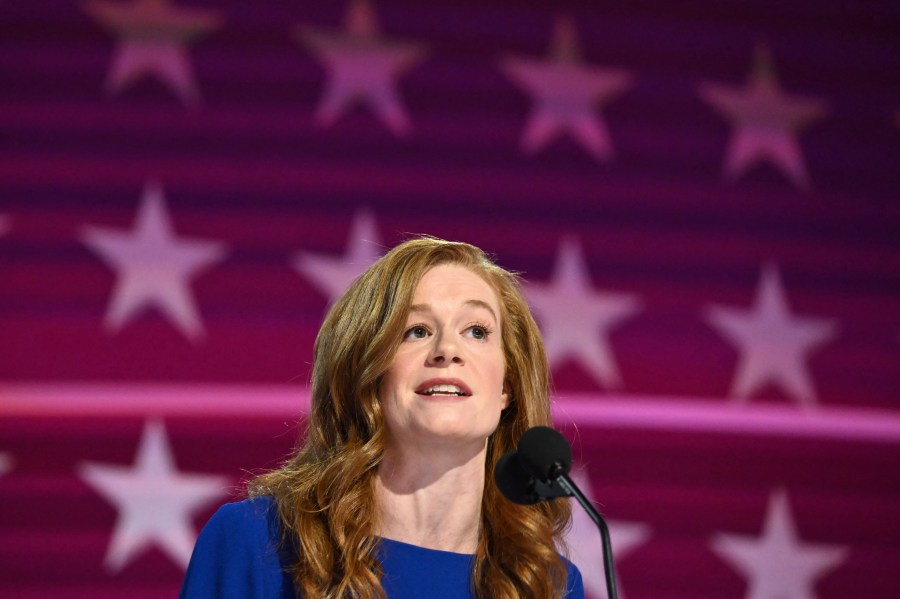
McMorrow gets separation in latest poll for Michigan’s open U.S. Senate seat
State Sen. Mallory McMorrow is leading the Democratic primary for Michigan's open U.S. Senate seat, with 22% of likely voters backing her, while U.S. Rep. Haley Stevens and former Wayne County health ...www.yahoo.com
 freebeacon.com

It's just an executive order. It has no force of law, and it will be enjoined in short order. It will never see the light of day.it is alarming and setting the stage to federalize elections.
Disclaimer: consider the source on this tweet is DailyCaller, but if this is true, it is alarming and setting the stage to federalize elections.
These sons of bitches HAVE to cheat because they'll likely all get prosecuted for their very real crimes if they don't hold on to power.
What is the point of executive orders then, and why have them if they have no teeth? Is it ceremonial or similar to a non-binding resolution or something like that? Asking in earnest.It's just an executive order. It has no force of law, and it will be enjoined in short order. It will never see the light of day.
This is almost impossible even for the Supreme Court to fuck up. In the case of immunity, there is no constitutional provision that speaks directly to immunity, which is why we thought that, you know, one wouldn't be invented. But nothing in the constitution says otherwise.Looking forward to this being struck down by a federal judge. And then for a Trumper MAGA appeals court or the Supreme Court to allow it. Cases like this are precisely why the GOP worked so hard to pack the court over a decade ago. I doubt the GOP majority will let them down now.
1. Once upon a time, when there were independent agencies, executive orders were the way the president would communicate with those agencies. He couldn't fire the commissioners, so he would lay down statements of policy that the agencies were expected to follow. I don't know the relationship between independent agencies and executive orders -- i.e. did the agencies have to follow them? I don't know that. But I do know that the agencies still had to follow all applicable rules and limitations in applicable statutes by Congress.What is the point of executive orders then, and why have them if they have no teeth? Is it ceremonial or similar to a non-binding resolution or something like that? Asking in earnest.
Appreciate it, Super1. Once upon a time, when there were independent agencies, executive orders were the way the president would communicate with those agencies. He couldn't fire the commissioners, so he would lay down statements of policy that the agencies were expected to follow. I don't know the relationship between independent agencies and executive orders -- i.e. did the agencies have to follow them? I don't know that. But I do know that the agencies still had to follow all applicable rules and limitations in applicable statutes by Congress.
With no independent agencies any more, the actual functionality of the executive orders are much diminished.
2. Typically, executive orders are statements of executive policy and presidents tended to extend executive orders in order to promote continuity. For instance, Reagan issued an executive order requiring all agencies to submit their proposed regulations to Office of Management and Budget, which would run a cost benefit analysis and send any non-conforming rule back to the agency for revision. Reagan could have just told the agencies, but by formalizing it, he created a record. So every president since (save possibly this Trump one) has renewed the executive order, because it's a good idea.
3. The executive order is basically an advertisement. It tells the public, "hey this is what I did -- I told all the agencies to do this." It's better PR than individualized instructions to agencies. It's also less time consuming for the president, because the president just tells "every agency" to promulgate conforming regulations. The president doesn't have to know all the agencies that would be affected.
4. What an executive order cannot do is make new law. It cannot expand the power of any federal agency; cannot expand the power of the presidency; and yields to any contrary statute or constitutional provision.
5. It's a little more consequential than a non-binding resolution, but not that much more.

The Emancipation Proclamation and the Japanese internment camp order were both executive orders. So, they can sometimes come with a little consequence.1. Once upon a time, when there were independent agencies, executive orders were the way the president would communicate with those agencies. He couldn't fire the commissioners, so he would lay down statements of policy that the agencies were expected to follow. I don't know the relationship between independent agencies and executive orders -- i.e. did the agencies have to follow them? I don't know that. But I do know that the agencies still had to follow all applicable rules and limitations in applicable statutes by Congress.
With no independent agencies any more, the actual functionality of the executive orders are much diminished.
2. Typically, executive orders are statements of executive policy and presidents tended to extend executive orders in order to promote continuity. For instance, Reagan issued an executive order requiring all agencies to submit their proposed regulations to Office of Management and Budget, which would run a cost benefit analysis and send any non-conforming rule back to the agency for revision. Reagan could have just told the agencies, but by formalizing it, he created a record. So every president since (save possibly this Trump one) has renewed the executive order, because it's a good idea.
3. The executive order is basically an advertisement. It tells the public, "hey this is what I did -- I told all the agencies to do this." It's better PR than individualized instructions to agencies. It's also less time consuming for the president, because the president just tells "every agency" to promulgate conforming regulations. The president doesn't have to know all the agencies that would be affected.
4. What an executive order cannot do is make new law. It cannot expand the power of any federal agency; cannot expand the power of the presidency; and yields to any contrary statute or constitutional provision.
5. It's a little more consequential than a non-binding resolution, but not that much more.
It is not a direct regulation in contravention of Article I. It is a withdrawal of funds, which can make a difference analytically (Rust v. Sullivan). That said, don't think the courts will let the Prez withhold funding here.This is almost impossible even for the Supreme Court to fuck up. In the case of immunity, there is no constitutional provision that speaks directly to immunity, which is why we thought that, you know, one wouldn't be invented. But nothing in the constitution says otherwise.
Here, Article I commits the conduct of the election to the states, unless CONGRESS passes a law to regulate it (and there would be strong limits on that). If any court were to allow the executive any role, it would be directly contravening an incredibly clear constitutional provision that to my knowledge has never really been challenged. Even this Supreme Court won't be that craven.
Both were exercises of commander in chief power during wartime. Roosevelt's did not create the internment camps; the Department of War (its official name then) did. And then Congress passed a supporting law.The Emancipation Proclamation and the Japanese internment camp order were both executive orders. So, they can sometimes come with a little consequence.
The order directs the AG to withhold funds "as appropriate." So it does nothing on its own. The DOJ, as you know, has no power to do anything of the sort.It is not a direct regulation in contravention of Article I. It is a withdrawal of funds, which can make a difference analytically (Rust v. Sullivan). That said, don't think the courts will let the Prez withhold funding here.
Yes and yes. Of course Trump would argue that we are under invasion from immigrants and that he is exercising emergency powers. Since everything is an emergency with him.Both were exercises of commander in chief power during wartime. Roosevelt's did not create the internment camps; the Department of War (its official name then) did. And then Congress passed a supporting law.
The Emancipation Proclamation by its terms applied only to states in rebellion, which meant that it applied to nothing as a practical matter, since the rebelling states were not under federal control. It was an exercise of wartime authority and really shouldn't be considered an executive order in the modern sense. It certainly didn't free the slaves; the 13th Amendment did that.
I have no knowledge what funds the DoJ doles out. Doesn’t it give money to local DAs and such for crime grants? What other money could it leverage?The order directs the AG to withhold funds "as appropriate." So it does nothing on its own. The DOJ, as you know, has no power to do anything of the sort.
Rust v Sullivan was a congressional statute. While the withholding of funds changes the analysis, that's only if Congress does it.
