They do to an extent. In an extreme situation, the US could institute price controls on WTI and bar any exports.Global commodity markets don't work that way.
Japan does not have that luxury. It must get oil from other countries.

Follow along with the video below to see how to install our site as a web app on your home screen.
Note: This feature may not be available in some browsers.
They do to an extent. In an extreme situation, the US could institute price controls on WTI and bar any exports.Global commodity markets don't work that way.
It depends if the shortage is a supply or demand shock. In a supply shock, there's not enough to go around. Someone will have to do with less, and that will likely be the people most exposed to the shock. Oil travels, but not infinitely. If you have a tanker that goes from Brazil to Africa and back, it could start ferrying oil to Japan but it's more expensive that way and the logistical requirements are different. As are the regulatory requirements in many cases.Global commodity markets don't work that way.
I think this is correct and I would add that the difference doesn't require price controls.They do to an extent. In an extreme situation, the US could institute price controls on WTI and bar any exports.
Japan does not have that luxury. It must get oil from other countries.

By the way, GPT says that Japan has a reserve of about 250 days of oil. So it has some staying power.
At their current usage rate, but it assumes their external supply is cut off completely, from what I understand.I assume at their current usage rate. What if that goes up? Say a world war breaks out...
At their current usage rate, but it assumes their external supply is cut off completely, from what I understand.
In the case of a world war, Japan's oil would probably last even longer because there would be much less exporting or consumption of fuel. And Japan is unlikely to be involved in any fighting.
They have barely budged from their stance as the Japanese Self Defense Force. They might not can stay out of it but it might have to come to them.Unlikely at first. A world war would be hard for a nation like Japan to stay completely out of. But your point remains, they can hold out a while.
They have barely budged from their stance as the Japanese Self Defense Force. They might not can stay out of it but it might have to come to them.
GPT says that he released a video today from a place in Jerusalem, and that it's been verified real. That follows another video from a couple of days ago.

We sell and buy oil on the commodities market while serving as a major exporter. We export more refined petroleum and import more heavy crude, cheap oil. Top importers: Canada, Mexico, Saudi Arabia, Iraq, Brazil.And we still import a LOT of oil This self sufficiency talk is not real truthful
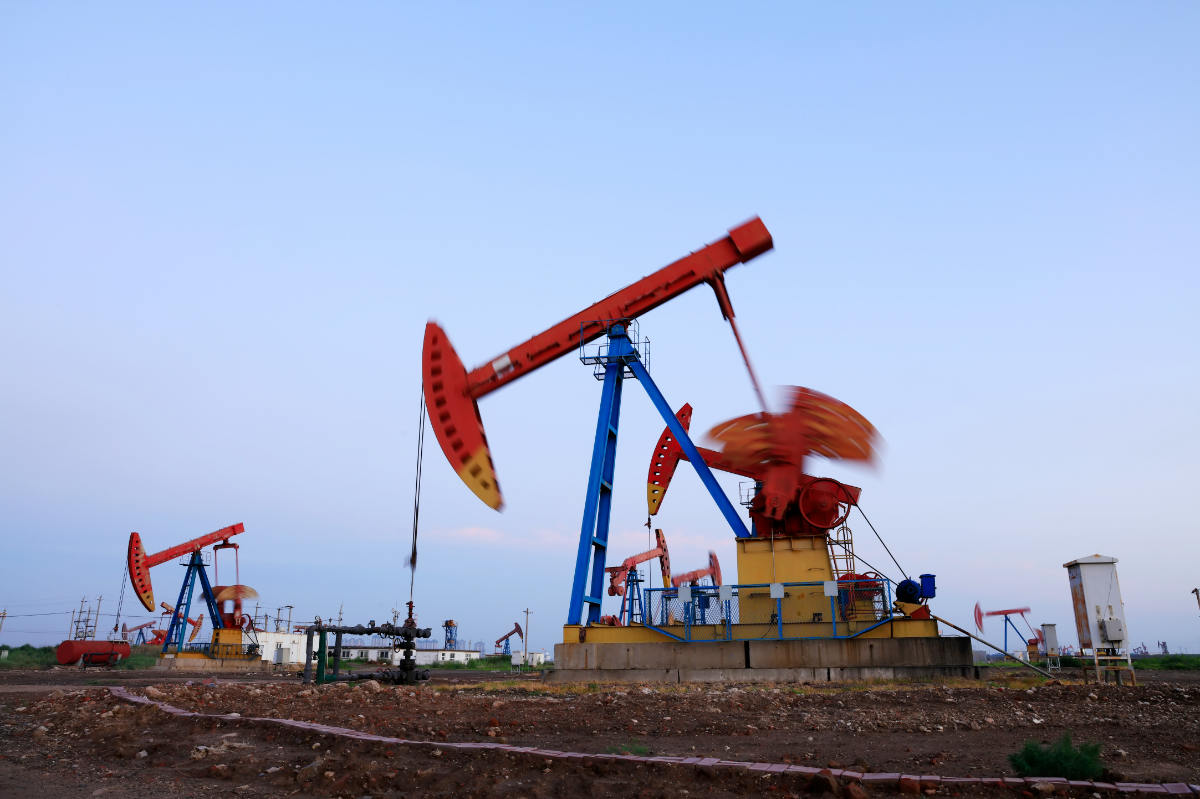
US Oil Imports by Country 2026
Data on US oil imports by country, highlighting the volume of oil imported from various nations over time.worldpopulationreview.com
Doubling down on an ignorant statement doesn't make it real. You should sit this one out.They do to an extent. In an extreme situation, the US could institute price controls on WTI and bar any exports.
Japan does not have that luxury. It must get oil from other countries.
It still doesn't work that way.It depends if the shortage is a supply or demand shock. In a supply shock, there's not enough to go around. Someone will have to do with less, and that will likely be the people most exposed to the shock. Oil travels, but not infinitely. If you have a tanker that goes from Brazil to Africa and back, it could start ferrying oil to Japan but it's more expensive that way and the logistical requirements are different. As are the regulatory requirements in many cases.
Plus, there's a reliance issue. If a country has to replace 10% of its supply, it might be able to do that on a spot market. If a country has to replace 90% of its supply, it's going need a bigger and better and probably more expensive strategy.