—>
https://www.wsj.com/opinion/everyon...e?st=heXdnp&reflink=desktopwebshare_permalink
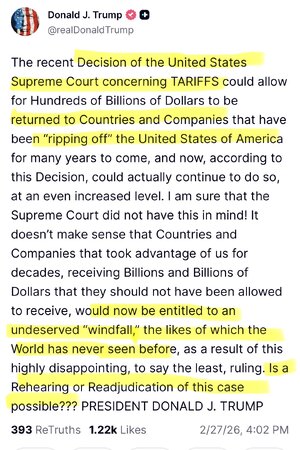
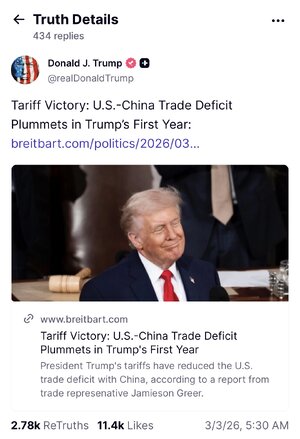
“… Coercive diplomacy might produce the occasional headline-grabbing concession. But leverage decreases when partners have alternatives. India’s deal with Europe was a direct response to U.S. tariffs on India whipsawing from 26% to 50% and finally back to 18% in less than a year. Europe’s regulatory machine is slow and bureaucratic, but for long-term decisions, slow and predictable is preferable to fast and erratic. When Canadian Prime Minister
Mark Carney refers to China as “more predictable” than the U.S., it’s a sign that something has gone deeply wrong with U.S. trade policy.
… The world isn’t deglobalizing. It’s reglobalizing around partners who commit to rules rather than those who wield tariffs like a club. The long-term cost of these tariffs isn’t measured in revenue collected. It’s measured in partnerships formed without us and the rise of a trading system that no longer needs U.S. participation to function.“